Becoming a Private Pilot in 2026 means you have more study tools than ever—but more tools doesn’t always mean better results.
This guide breaks down the best PPL study tools by category, learning style, and real-world effectiveness—so you can spend less time guessing and more time flying.
Whether you’re studying for the FAA written, preparing for your checkride, or squeezing learning into a busy schedule, these are the tools student pilots actually succeed with.
What Makes a Great PPL Study Tool?
Before we rank anything, here’s what matters most:
-
Helps with retention, not just exposure
-
Matches real FAA questions and scenarios
-
Fits into real life (commutes, gym, downtime)
-
Reinforces learning through repetition
The best pilots don’t study longer — they study smarter.
1. Online Ground School Courses
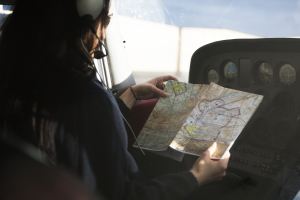
Best for: Structured learners who want everything organized in one place.
Why they work
-
FAA-aligned curriculum
-
Progress tracking
-
Video + quizzes reinforce concepts
Watch out for
-
Passive watching (easy to zone out)
-
Limited repetition unless you rewatch lessons
Pro tip: Use ground school for concept learning, then reinforce with practice tests and audio repetition.
2. Mobile Apps & Digital Tools
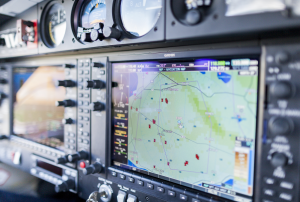
Best for: On-the-go study and daily aviation immersion.
Top uses
-
Weather briefings
-
Flight planning practice
-
FAR/AIM lookup
-
Flashcard-style reviews
Why they’re powerful
-
Frequent exposure builds familiarity
-
Easy to study in short bursts
Common mistake: Treating apps as “nice-to-have” instead of daily habits.
3. Practice Test & Question Banks
Best for: FAA Written Exam prep.
Why they work
-
Teach you how the FAA asks questions
-
Identify weak areas fast
-
Build confidence before test day
Best strategy
-
Don’t just memorize answers
-
Read why the correct answer is correct
If you’re consistently scoring 85–90% on practice tests, you’re ready.
4. Audio-Based Study Tools (High Retention)
Best for: Busy students, commuters, gym sessions, repetition-based learners.
Why audio works
Reinforces memory through repetition
Allows screen-free learning
Mimics oral exam & checkride scenarios
What audio is best for
FAA written Q&A
Aviation vocabulary
ATC phraseology
POH & systems review
This is where most pilots underutilize their time.
If you’re driving, walking, or training—audio lets you study without opening a book.
5. Flight Simulators (Chair Flying)
Best for: Procedures, flows, and situational awareness.
What simulators help with
Checklist flows
Emergency procedures
Radio calls & pattern work
What they don’t replace
Real stick-and-rudder skills
Instructor feedback
Pro tip: Chair fly with verbal callouts to simulate real cockpit workload.
6. Traditional Books & FAR/AIM
Best for: Reference, regulations, and deep dives.
Still essential because
FAA exams are written from these sources
You’ll need them for checkrides and beyond
How to use them correctly
Don’t read cover to cover
Use them to clarify, not replace, other tools
How to Combine Tools for Maximum Results
Here’s a proven combo that works:
-
Ground school → learn concepts
-
Practice tests → learn FAA logic
-
Audio repetition → lock it into memory
-
Simulator → apply it procedurally
No single tool does everything. The magic is in the mix.
Final Verdict: What Are the Best PPL Study Tools in 2026?
The best study tools are the ones you’ll actually use consistently.
In 2026, successful student pilots:
-
Study in short, frequent sessions
-
Use audio to reclaim “lost time”
-
Practice FAA-style questions early
-
Reinforce learning across multiple formats
If your tools fit your life, passing becomes inevitable.
Want to study smarter without staring at a screen?
Try audio-based Private Pilot training built for repetition, retention, and real FAA questions.
Start your Free Trial → https://pilotlistening.com/free-trial/